Komodo Liveaboard

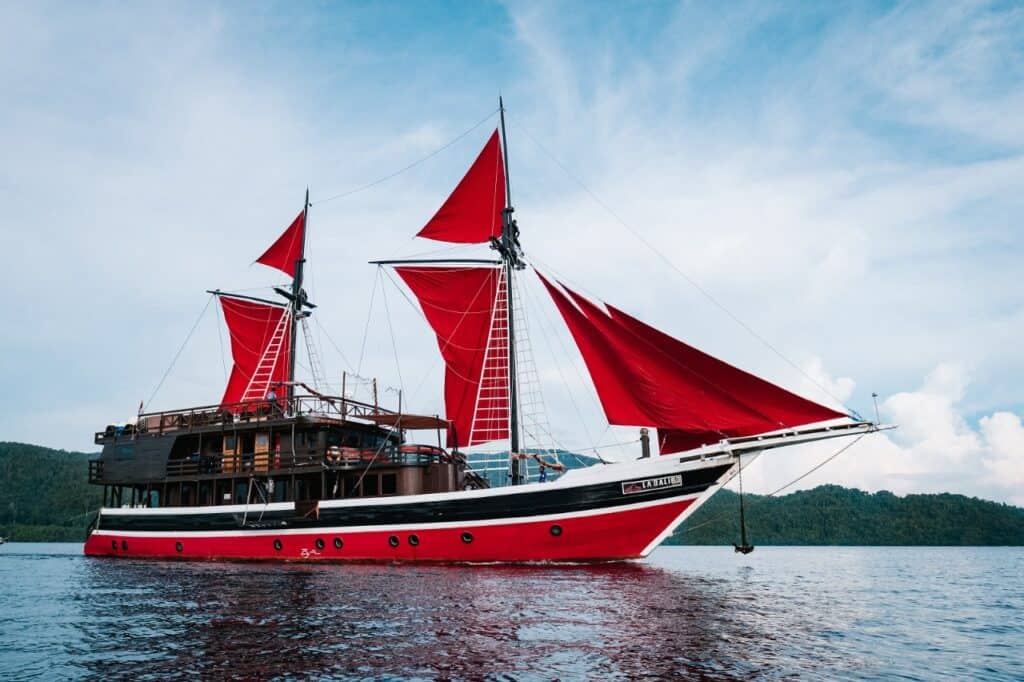
Experience the ultimate Komodo Liveaboard adventure with La Galigo. Enjoy world-class Komodo diving liveaboard trips to stunning dive sites.

Komodo Itineraries

Ultimate Komodo

8 Days 7 Nights

Jurassic Komodo

6 Days 5 Nights

Beyond Komodo

10 Days 9 Nights

Why La Galigo Liveaboard?

La Galigo is built for divers who care about time underwater, genuine connection onboard, and the confidence to fully relax at sea. We keep things intentionally small, personal, and experience-driven, so every trip feels less like a package and more like a shared journey, guided by people who truly love what they do.

Intimate by Design

We operate with a limited number of guests, allowing space to breathe, move, and truly enjoy each dive day. This intimacy creates a relaxed onboard atmosphere where guests are known by name, not cabin number, and every detail feels considered, not rushed.

Diving first, always.

Our itineraries, schedules, and daily flow are shaped around the dives themselves. From site selection to timing, everything is designed to maximise quality underwater time, unhurried briefings, and memorable encounters, not ticking boxes or following crowds.

Safety Without Compromise

Safety is woven into every part of our operation, from conservative dive planning and clear briefings to experienced guides and disciplined onboard procedures. This allows divers to relax, focus, and fully enjoy the experience, knowing they are in capable hands.

A Crew That Feels Like Family

Our crew combines Indonesian hospitality with international standards, creating an onboard environment that feels friendly, respectful, and natural. They are attentive without being intrusive, professional without being distant, and always happy to share a smile, a story, or a helping hand.

Our Divers' Review

Komodo Diving Areas

Search dive sites and select a card to focus its location on the map.

28 dive sites found
Arborek Jetty

Arborek Jetty

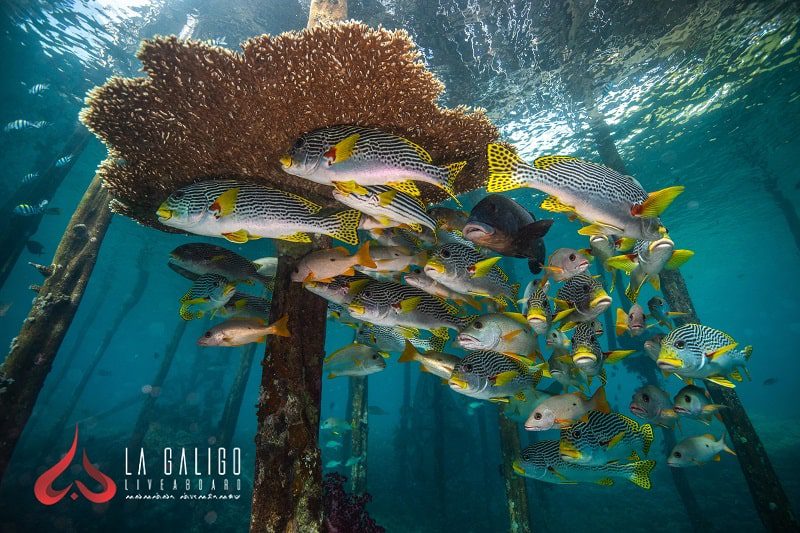
Arborek Jetty's location is perfect for those wishing to explore both the macro wonders of the area and the occasional larger pelagic visitors.

Jetty Dive
Blue Magic

Blue Magic

Blue Magic, One of the most famous and top rated dive sites in Raja Ampat, is located between the islands of Kri and Waigeo in the eastern Dampier Strait.
Pelagic Biodiversity
Cape Kri

Cape Kri

Cape Kri is well-suited for intermediate to advanced divers due to its currents, which can be challenging at times.
Marine Diversity
Chicken Reef

Chicken Reef

The reef's name comes from a story when the site was first being explored by Raja Ampat dive pioneer, Max Amer.
Marine Diversity
Citrus Ridge

Citrus Ridge

Citrus Ridge is located in the southern part of the Raja Ampat archipelago, off the coast of Gam Island.

Drift Dive
Friwen

Friwen

Friwen gets it's name from the two islands where it is located, Pulau Friwin and Pulau Friwinbonda.

Macro Diversity
Manta Ridge

Manta Ridge

Manta Ridge is one of Raja Ampat's most sought-after dive sites, famed for its incredible manta ray encounters.

Manta Rays
Manta Sandy

Manta Sandy

Located in the heart of Raja Ampat, Manta Sandy is a renowned dive site famous for its incredible manta ray encounters.

Manta Rays
Melissa's Garden

Melissa's Garden

The site can be found by looking for 3 very small islands sticking out from the ocean by Palau Keruwo, in the southeast of the Penemu chain, just west of the Dampier Strait.

Coral Garden
Mioskon

Mioskon

Another of the "don't miss" dive sites in Raja Ampat is Mioskon. The dive site gets it's name from the island Mioskon, located at the east end of the Dampier Strait in central Raja Ampat.

Lazy Dive
My Reef

My Reef

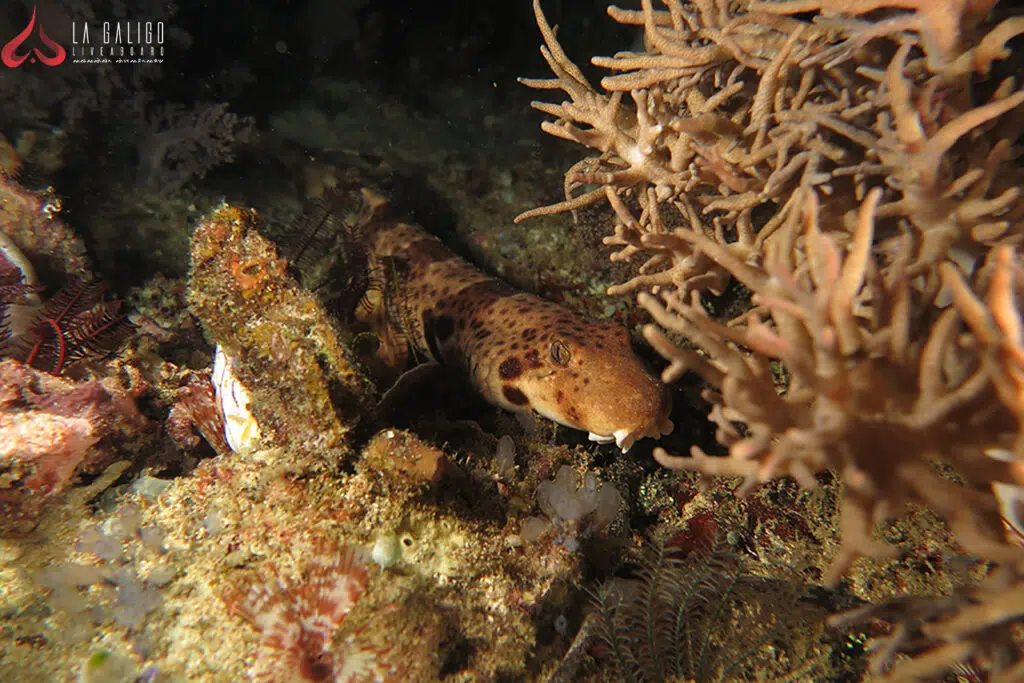
This site is known for its resident population of endemic Raja Ampat Tasselled Wobbegong Sharks that hide under the ledges and in crevasses in the coral and rocks.

Wobbegong Sharks Black Tips White Tips
Batu Lima

Batu Lima

Batu Lima, tucked away on the eastern side of Gam island in the northeastern parts of the Dampier Strait, is a diver's paradise noted for its enchanted night dives.

Macro Diversity
Eagle Rock

Eagle Rock

Eagle Rock, located off the southern coast of Kawe Island in Raja Ampat, offers divers an exhilarating dive experience among some of the richest marine biodiversity in the world.

Manta Rays Cleaning Station
Saonek Kecil

Saonek Kecil

This dive site is conveniently located just 5 minutes from Waisai, the capitol of Raja Ampat and the starting destination for all liveaboards. It's a small island, just 2 kilometres to the south of the main town.

Macro Diversity Pelagic Species
Tank Rock

Tank Rock

Tank Rock is a captivating dive site in Misool, Raja Ampat, eastern most of the small island chains extending from Fiabacet Island.

Dramatic Underwater Landscape
Andiamo

Andiamo

The site gets it's name from the liveaboard that Burt Jones went with during the early Raja Ampat exploration days.

Safety Stop
Boo West

Boo West

Boo West dive site does not get the recognition and fame of it's eastern cousin site and Boo Windows, but we think this is unfair as this is an amazing dive site.

Underwater Canyon
Boo Windows

Boo Windows

Boo Windows, a magnificent dive site in the middle of Raja Ampat, is famous for its remarkable underwater topography and incredible marine biodiversity.

Window Arch
Fiabacet

Fiabacet

Fiabacet epitomizes the Raja Ampat dive experience and is one of the premier dive sites in the Misool region.

Macro Diversity Pelagic Species
Four Kings

Four Kings

Four Kings is one of the most celebrated dive sites in Raja Ampat, offering a stunning underwater landscape that attracts divers from around the globe.

Panorama of Colors
Kaleidoscope

Kaleidoscope

Kaleidoscope Dive Site is nestled at the western tip of Pele Island in the southeast Misool region of Raja Ampat.

Macro Diversity Pelagic Species
Magic Mountain

Magic Mountain

Magic Mountain is one of those dive sites that goes by many names, also called Shadow Reef or Karang Bayangan.

Underwater Seamount
Neptunes Fan Sea

Neptunes Fan Sea

Neptunes Sea Fan dive site (Sometimes also called Neptunes Fantasea dive site) located in the narrow passage between Walib and Wayilbatan Islands, in the Missol region of Raja Ampat.

Marine Diversity
Nudi Rock

Nudi Rock

Nudi Rock got its name from the rock feature above the water that looks like a Nudibranch. This one-of-a-kind feature adds a fun touch to a dive that is already very beautiful.

Macro Diversity Pelagic Species
Anchovy

Anchovy

This site is often mistakenly called Anchovy or Anchovies, but the site was actually named Antichovie.

Massive Anchovies
Keruo Channel

Keruo Channel

Keruo Channel dive site (also sometimes called Fam Wall) is located on the east side of Keruo Island, Raja Ampat.

Drift Dive
Piaynemo Jetty

Piaynemo Jetty

Piaynemo Jetty is located on the eastern side of Penemu island, just before the entrance to the lagoon for trekking.

Night Dive Critters
Batu Rufus

Batu Rufus

Batu Rufus means Rufus Rock, the name coming from the large limestone formation that extends out to the fringing coral reef that forms the dive site.

Great Walls

Species you may encounter in
Komodo

Frequently Asked Questions

Komodo offers some of Indonesia’s most iconic and diverse dive sites, known for strong currents, big fish, and pristine reefs. Highlights include:

  • Batu Bolong: explosive coral growth and schooling fish
  • Castle Rock: sharks, giant trevally, and pelagics
  • Crystal Rock: action-packed drift diving
  • Manta Point: manta ray cleaning stations
  • Tatawa Besar: thrilling current dives with soft corals

Sites vary between North, Central, and South Komodo, each offering a different underwater personality.

Komodo is a year-round dive destination, but conditions vary by season:

April–November: Best overall conditions, calmer seas, excellent visibility

December–March: Warmer water in the south, incredible macro life, fewer crowds

Manta rays can be seen all year, with peak sightings often between December and March.

Yes, while we don’t offer a fixed 7-day trip, we have two carefully designed Komodo liveaboard itineraries that fall right around that duration, giving you flexible options depending on how much time you have.

  • Jurassic Komodo – 6 Days / 5 Nights
    A compact yet powerful itinerary that covers Komodo’s highlights, including iconic dive sites, manta encounters, and Komodo dragon exploration. Ideal if you want the full Komodo experience in a shorter timeframe.

  • Ultimate Komodo – 8 Days / 7 Nights
    Our most comprehensive itinerary, allowing more time in North, Central, and South Komodo. Expect additional dives, greater site variety, and a deeper immersion into Komodo’s marine biodiversity.

Both itineraries are designed to maximize diving quality rather than rushing locations, ensuring a balanced and unforgettable Komodo experience—whether you choose a shorter adventure or the ultimate exploration.

Currents can range from mild to very strong. This is what makes Komodo so rich in marine life—but it also means dives are carefully planned around tides and experience levels.

Komodo is one of the rare places where big and small marine life coexist, including:

  • Manta rays, reef sharks, turtles

  • Schools of fish, napoleon wrasse

  • Pygmy seahorses, nudibranchs, and rare macro species

How to get to Raja Ampat

The remote paradise of Raja Ampat lies in the far reaches of eastern Indonesia. So, how do you get there? Your journey begins with an international flight into Indonesia, followed by a domestic flight to Domine Eduard Osok Airport in Sorong (SOQ).

As the largest city and capital of Southwest Papua, Sorong serves as the main gateway for liveaboard dive boats exploring Raja Ampat. Though getting to this secluded paradise requires a bit of extra time and preparation, the rewards are well worth the effort.

Raja Ampat stands as Indonesia’s crown jewel, known for its remarkable biodiversity, awe-inspiring landscapes, and some of the finest dive sites on the planet.

Indonesia offers multiple international airports throughout its archipelago. Most international visitors typically arrive via Jakarta or Bali, as both airports provide direct domestic flights to Sorong.

  • Jakarta Soekarno-Hatta International Airport (CGK)
  • Surabaya Juanda Airport (SUB)
  • Bali Ngurah Rai International Airport (DPS)
  • Makassar Sultan Hasanuddin Airport (UPG)
  • Manado Sam Ratulangi Airport (MDC)

Upon arrival

Upon arrival in Indonesia, passengers are required to go through customs and immigration with all the required documents, including a visa, before proceeding to baggage claim to retrieve their belongings. Most domestic airlines in Indonesia do not have baggage transfer agreements with major international carriers, meaning travelers must collect their luggage and check in for onward domestic flights.

  • Garuda Airlines – Part of the Skyteam Alliance
  • Air Asia
  • Lion Air
  • Batik Air
  • Sriwijaya Air

To ensure you don’t miss your La Galigo departure, we recommend arriving in Sorong the day before and booking an overnight stay at a local hotel. La Galigo has negotiated special rates with select hotels—contact our reservations team for more information on pricing.

More About Raja Ampat Liveaboard Diving

Why Choose a Raja Ampat Liveaboard?

Raja Ampat liveaboard diving is the most effective way to explore the world’s richest marine ecosystem. Located in West Papua, Indonesia, Raja Ampat is home to more than 1,500 species of reef fish and over 600 species of coral, making it the global epicenter of marine biodiversity.

Unlike land-based resorts, a Raja Ampat liveaboard allows divers to:

  • Access remote dive sites unreachable by day boats

  • Maximize dive frequency with 3–4 dives per day

  • Explore multiple regions in one trip (Dampier Strait, Misool, Wayag, Batanta)

  • Dive early morning and sunset sites in optimal conditions

For serious divers, a liveaboard in Raja Ampat is not a luxury, it’s the only way to truly experience the region.

Best Time for Raja Ampat Liveaboard Trips

The Raja Ampat diving season runs year-round, but conditions vary by region:

  • October to April – Best conditions in Misool (south Raja Ampat)

  • May to September – Prime season in Dampier Strait and central Raja Ampat

Water temperatures range between 27–30°C, with generally excellent visibility and strong nutrient-rich currents that attract large schools of fish and pelagic species.

Booking your Raja Ampat liveaboard trip at least 6–12 months in advance is highly recommended due to limited boat availability.

What Makes Raja Ampat Diving Unique?

Raja Ampat is globally known for:

  • Massive schools of fusiliers and sweetlips

  • Reef sharks and wobbegong sharks

  • Manta ray cleaning stations

  • Macro life including pygmy seahorses and nudibranchs

  • Dramatic limestone karst landscapes above water

The region offers a rare combination of macro, big fish action, coral gardens, and pristine reefs — often within a single dive day.

Why a Liveaboard Is Better Than a Resort Stay

Many first-time visitors consider staying at a homestay or dive resort. However, a Raja Ampat liveaboard offers significant advantages:

Resort-Based DivingRaja Ampat Liveaboard
Limited dive radiusRemote and exclusive sites
Fixed daily scheduleFlexible itinerary based on conditions
Travel time to sitesWake up at the dive site
Fewer dives per dayUp to 4 dives daily

Experience Raja Ampat With La Galigo

A Raja Ampat liveaboard is more than a diving trip, it is a journey into one of the last untouched marine frontiers on Earth.

With carefully crafted itineraries, experienced dive guides, and a focus on marine conservation, La Galigo offers an immersive liveaboard experience designed specifically for passionate divers.

Raja Ampat Dive Sites Guide (By Region)

Raja Ampat is not a single dive destination — it is a vast marine protected area divided into distinct regions, each offering unique underwater landscapes, marine life encounters, and diving conditions.

A Raja Ampat liveaboard allows divers to explore multiple regions in one expedition, maximizing biodiversity and site variety.

Dampier Strait Dive Sites (Central Raja Ampat)

Dampier Strait is the heart of Raja Ampat diving and home to some of the most famous dive sites in Indonesia.

Cape Kri

World-renowned for record-breaking fish counts, Cape Kri offers dense schools of fusiliers, giant trevally, barracuda, and reef sharks in strong, nutrient-rich currents.

Blue Magic

A submerged pinnacle known for pelagic action, manta rays, and schooling fish. Blue Magic is ideal for advanced divers comfortable with current diving.

Sardine Reef

Despite its name, Sardine Reef is famous for massive fish schools, vibrant coral growth, and dramatic reef structures.

Manta Sandy

One of Raja Ampat’s most reliable manta ray cleaning stations, offering unforgettable close encounters.

Dampier Strait combines macro life, pelagic species, and exceptional coral health — often within a single day of diving.

Misool Dive Sites (Southern Raja Ampat)

Misool is widely regarded as the most pristine and visually dramatic region of Raja Ampat. Strict marine protection has created extraordinary biomass and coral coverage.

Magic Mountain

A pinnacle dive site known for oceanic manta rays, schooling barracuda, and grey reef sharks.

Boo Windows

Famous for its iconic swim-through rock formations and vibrant soft coral gardens, Boo Windows is a photographer’s dream.

Fiabacet

One of the richest coral reef systems in Raja Ampat, with massive schools of snapper and sweetlips.

Misool offers dramatic topography, vibrant soft corals, and consistent big fish action — making it a highlight of most Raja Ampat liveaboard itineraries.

Northern Raja Ampat

Northern Raja Ampat is known for its breathtaking limestone karst landscapes above water and remote, untouched reefs below.

Black Rock

A seamount attracting pelagic species, reef sharks, and large schools of fish.

Eagle Rock

A site famous for manta ray encounters in a remote and wild setting.

The northern region offers quieter dive sites and a sense of true exploration — accessible mainly by liveaboard.