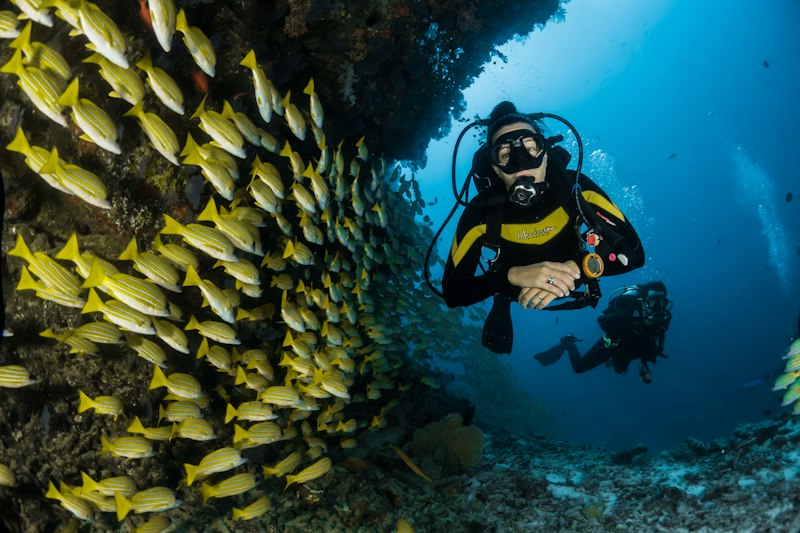
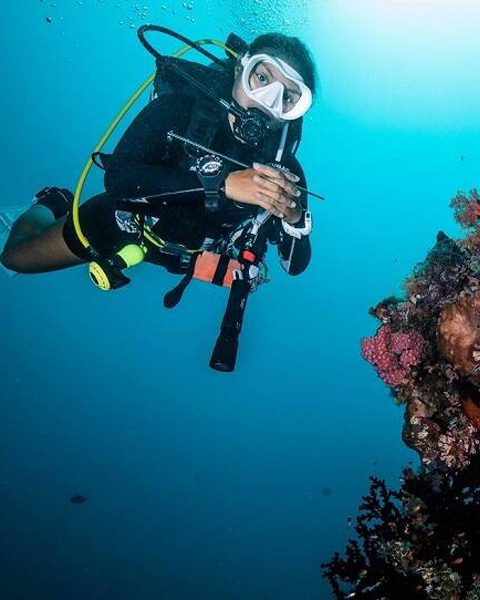
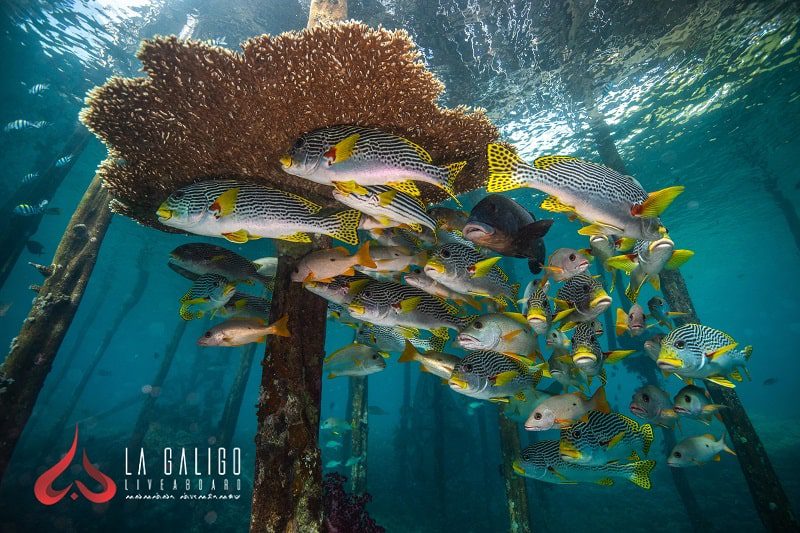
Arborek Jetty
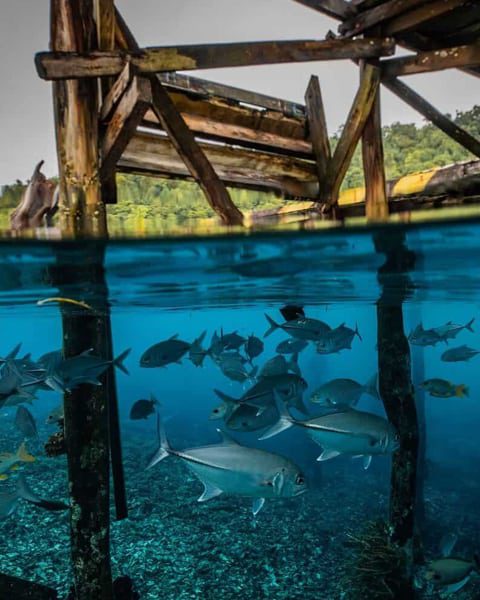
Arborek Jetty's location is perfect for those wishing to explore both the macro wonders of the area and the occasional larger pelagic visitors.

Search dive sites and select a card to focus its location on the map.
Arborek Jetty's location is perfect for those wishing to explore both the macro wonders of the area and the occasional larger pelagic visitors.
Blue Magic, One of the most famous and top rated dive sites in Raja Ampat, is located between the islands of Kri and Waigeo in the eastern Dampier Strait.
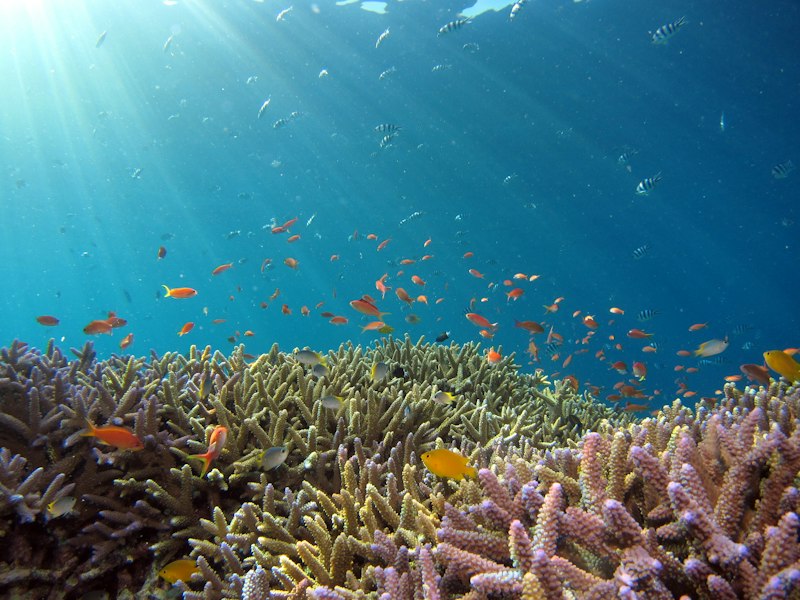
Cape Kri is well-suited for intermediate to advanced divers due to its currents, which can be challenging at times.
The reef's name comes from a story when the site was first being explored by Raja Ampat dive pioneer, Max Amer.
Citrus Ridge is located in the southern part of the Raja Ampat archipelago, off the coast of Gam Island.
Friwen gets it's name from the two islands where it is located, Pulau Friwin and Pulau Friwinbonda.
Manta Ridge is one of Raja Ampat's most sought-after dive sites, famed for its incredible manta ray encounters.
Located in the heart of Raja Ampat, Manta Sandy is a renowned dive site famous for its incredible manta ray encounters.
The site can be found by looking for 3 very small islands sticking out from the ocean by Palau Keruwo, in the southeast of the Penemu chain, just west of the Dampier Strait.
Another of the "don't miss" dive sites in Raja Ampat is Mioskon. The dive site gets it's name from the island Mioskon, located at the east end of the Dampier Strait in central Raja Ampat.
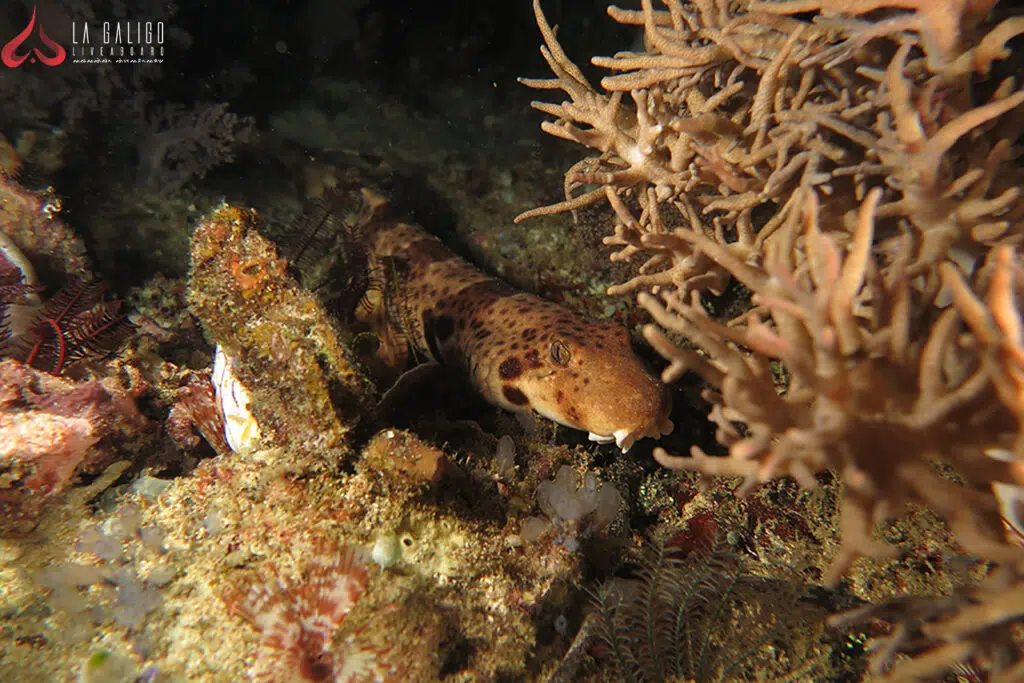
This site is known for its resident population of endemic Raja Ampat Tasselled Wobbegong Sharks that hide under the ledges and in crevasses in the coral and rocks.
Batu Lima, tucked away on the eastern side of Gam island in the northeastern parts of the Dampier Strait, is a diver's paradise noted for its enchanted night dives.
Eagle Rock, located off the southern coast of Kawe Island in Raja Ampat, offers divers an exhilarating dive experience among some of the richest marine biodiversity in the world.
This dive site is conveniently located just 5 minutes from Waisai, the capitol of Raja Ampat and the starting destination for all liveaboards. It's a small island, just 2 kilometres to the south of the main town.
Tank Rock is a captivating dive site in Misool, Raja Ampat, eastern most of the small island chains extending from Fiabacet Island.
The site gets it's name from the liveaboard that Burt Jones went with during the early Raja Ampat exploration days.
Boo West dive site does not get the recognition and fame of it's eastern cousin site and Boo Windows, but we think this is unfair as this is an amazing dive site.
Boo Windows, a magnificent dive site in the middle of Raja Ampat, is famous for its remarkable underwater topography and incredible marine biodiversity.
Fiabacet epitomizes the Raja Ampat dive experience and is one of the premier dive sites in the Misool region.
Four Kings is one of the most celebrated dive sites in Raja Ampat, offering a stunning underwater landscape that attracts divers from around the globe.
Kaleidoscope Dive Site is nestled at the western tip of Pele Island in the southeast Misool region of Raja Ampat.
Magic Mountain is one of those dive sites that goes by many names, also called Shadow Reef or Karang Bayangan.
Neptunes Sea Fan dive site (Sometimes also called Neptunes Fantasea dive site) located in the narrow passage between Walib and Wayilbatan Islands, in the Missol region of Raja Ampat.
Nudi Rock got its name from the rock feature above the water that looks like a Nudibranch. This one-of-a-kind feature adds a fun touch to a dive that is already very beautiful.
This site is often mistakenly called Anchovy or Anchovies, but the site was actually named Antichovie.
Keruo Channel dive site (also sometimes called Fam Wall) is located on the east side of Keruo Island, Raja Ampat.
Piaynemo Jetty is located on the eastern side of Penemu island, just before the entrance to the lagoon for trekking.
Batu Rufus means Rufus Rock, the name coming from the large limestone formation that extends out to the fringing coral reef that forms the dive site.