Chicken Reef

The reef’s name comes from a story when the site was first being explored by Raja Ampat dive pioneer, Max Amer.

Marine-life data is not available for this page.

Overview

Located east off the coast of Kri Island in Raja Ampat, Chicken Reef is a spectacular dive site known for its diverse marine life and dramatic underwater topography. 

The reef’s name comes from a story when the site was first being explored by Raja Ampat dive pioneer Max Amer. The story goes that his dive buddy was petrified of sharks (even though they are small harmless reef sharks). 

His buddy on the dive drew his knife and Max was so scared that he decided to name the site “Chicken Reef”. 

This site is particularly famous for its healthy coral gardens, abundant fish life, and the opportunity for thrilling encounters with large predators. 

The Visibility

The Marine Life

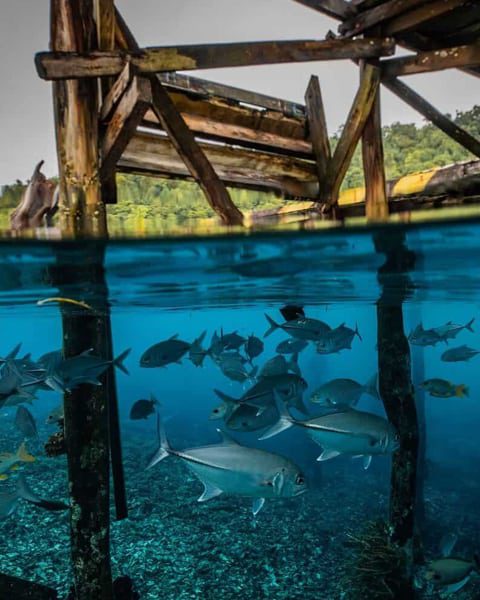
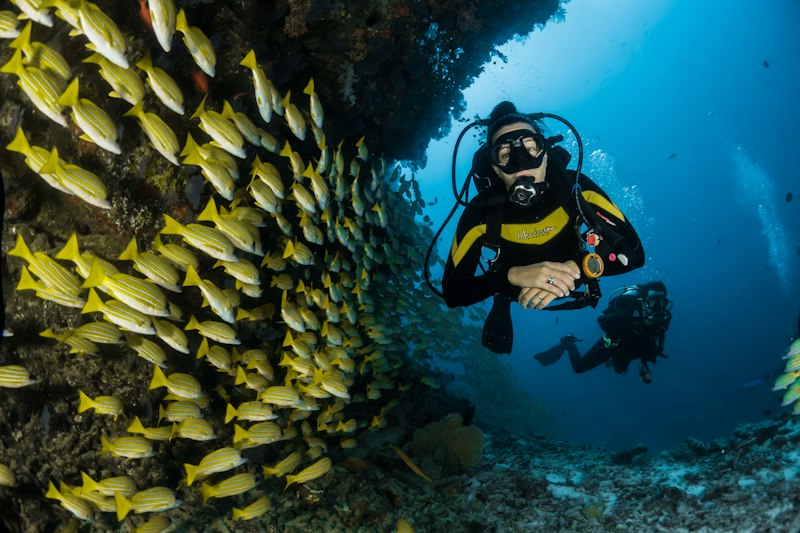
The marine life at Chicken Reef is abundant, with something for every type of diver to enjoy. Large schools of fusiliers, surgeonfish, bluefin jacks, and butterflyfish are commonly spotted, while sweetlips, clown triggerfish, and snappers add pops of colour to the reef.

Large predatory fish such as barracudas, whitetip reef sharks, blacktip reef sharks, trevallies, and giant trevallies are frequent visitors, patrolling the reef in search of food. 

In the shallower areas, you can often see large schools of bumphead parrotfish grazing on the coral, while Spanish mackerel and tuna occasionally make an appearance.

Smaller species, such as batfish, unicorn surgeonfish, red-margin shrimpgobies and angelfish, add diversity to the site’s marine life.

The Diving

This site can be dived either on rising or falling current and this will determine how we enter and navigate the site. On a rising current we will drop in on the north end of the site, keep the reef on our right-hand side and swim south.

On a falling tide, we will drop in on the south end, keep the reef on our left-hand side and swim north. Whichever direction we take, we will drop into the submerged seamount where the top is just 5 meters under the surface.

From here we will make our way down to about 20 meters where all the good stuff is to start exploring along the sloping reef. Of particular note are some nice bommies, abundant in marine life at the southern end of the site.

Read More >

Dive site Location

Search dive sites and select a card to focus its location on the map.

28 dive sites found
Arborek Jetty

Arborek Jetty

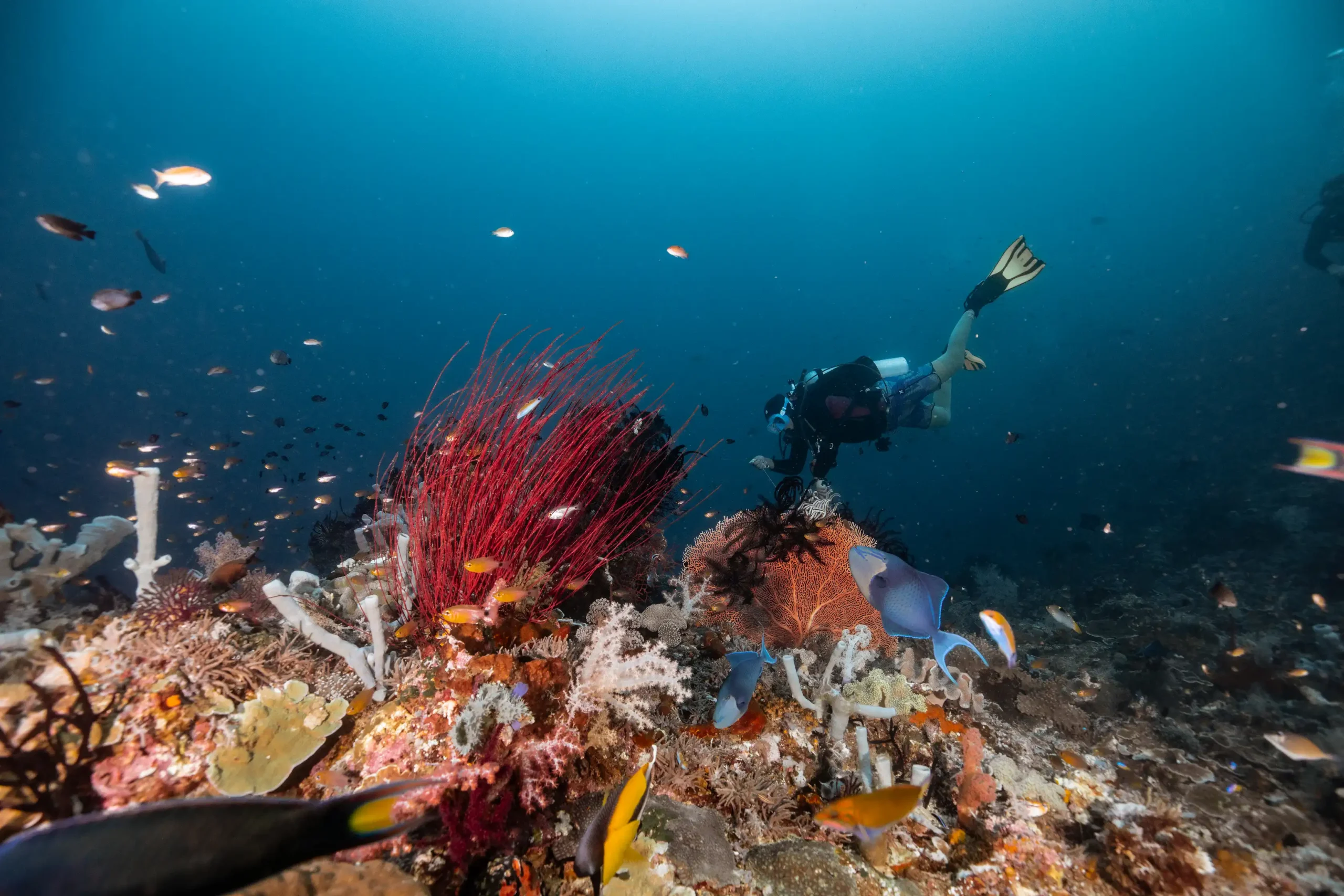
Arborek Jetty's location is perfect for those wishing to explore both the macro wonders of the area and the occasional larger pelagic visitors.

Jetty Dive
Blue Magic

Blue Magic

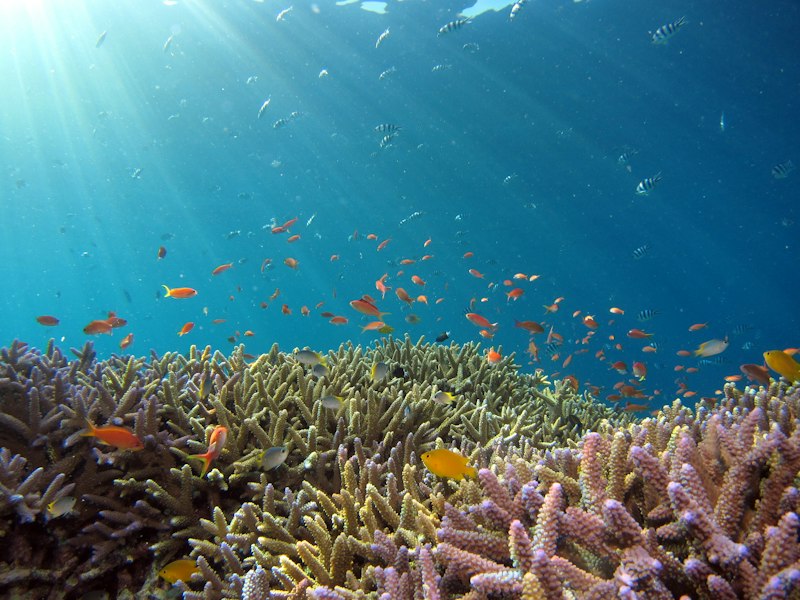
Blue Magic, One of the most famous and top rated dive sites in Raja Ampat, is located between the islands of Kri and Waigeo in the eastern Dampier Strait.
Pelagic Biodiversity
Cape Kri

Cape Kri

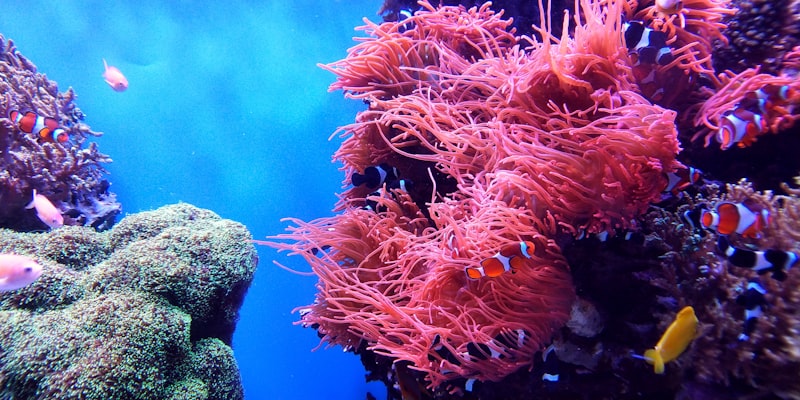
Cape Kri is well-suited for intermediate to advanced divers due to its currents, which can be challenging at times.
Marine Diversity
Chicken Reef

Chicken Reef

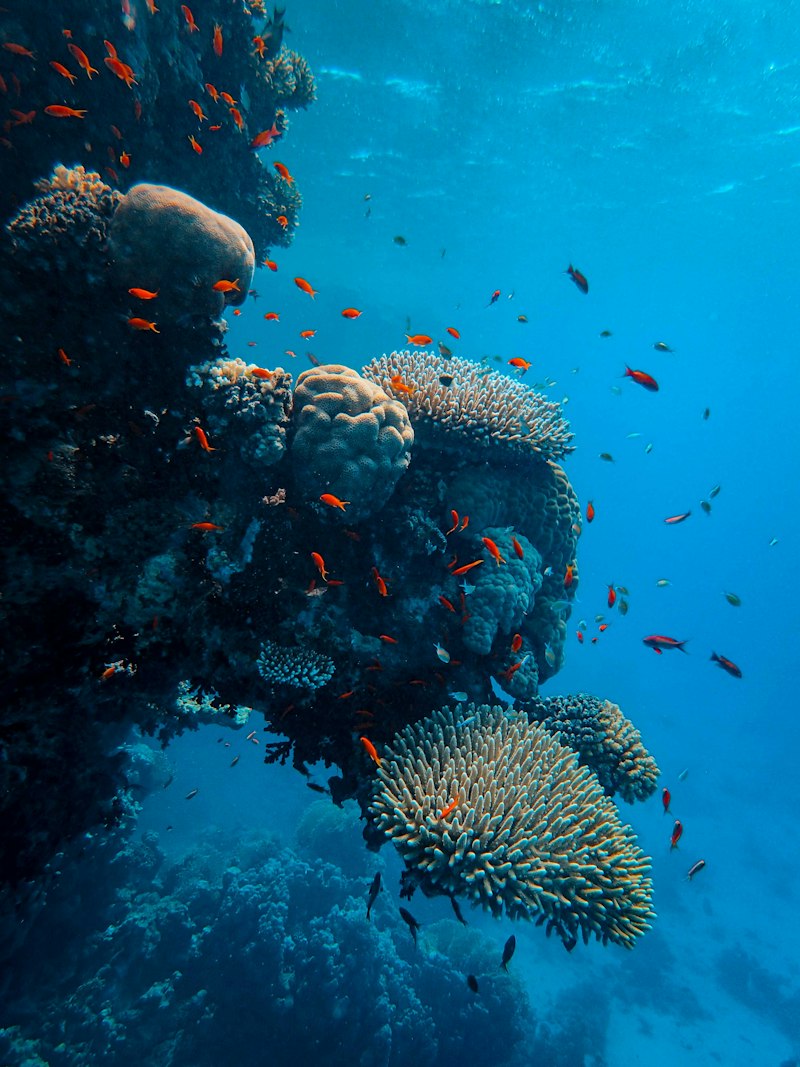
The reef's name comes from a story when the site was first being explored by Raja Ampat dive pioneer, Max Amer.
Marine Diversity
Citrus Ridge

Citrus Ridge

Citrus Ridge is located in the southern part of the Raja Ampat archipelago, off the coast of Gam Island.

Drift Dive
Friwen

Friwen

Friwen gets it's name from the two islands where it is located, Pulau Friwin and Pulau Friwinbonda.

Macro Diversity
Manta Ridge

Manta Ridge

Manta Ridge is one of Raja Ampat's most sought-after dive sites, famed for its incredible manta ray encounters.

Manta Rays
Manta Sandy

Manta Sandy

Located in the heart of Raja Ampat, Manta Sandy is a renowned dive site famous for its incredible manta ray encounters.

Manta Rays
Melissa's Garden

Melissa's Garden

The site can be found by looking for 3 very small islands sticking out from the ocean by Palau Keruwo, in the southeast of the Penemu chain, just west of the Dampier Strait.

Coral Garden
Mioskon

Mioskon

Another of the "don't miss" dive sites in Raja Ampat is Mioskon. The dive site gets it's name from the island Mioskon, located at the east end of the Dampier Strait in central Raja Ampat.

Lazy Dive
My Reef

My Reef

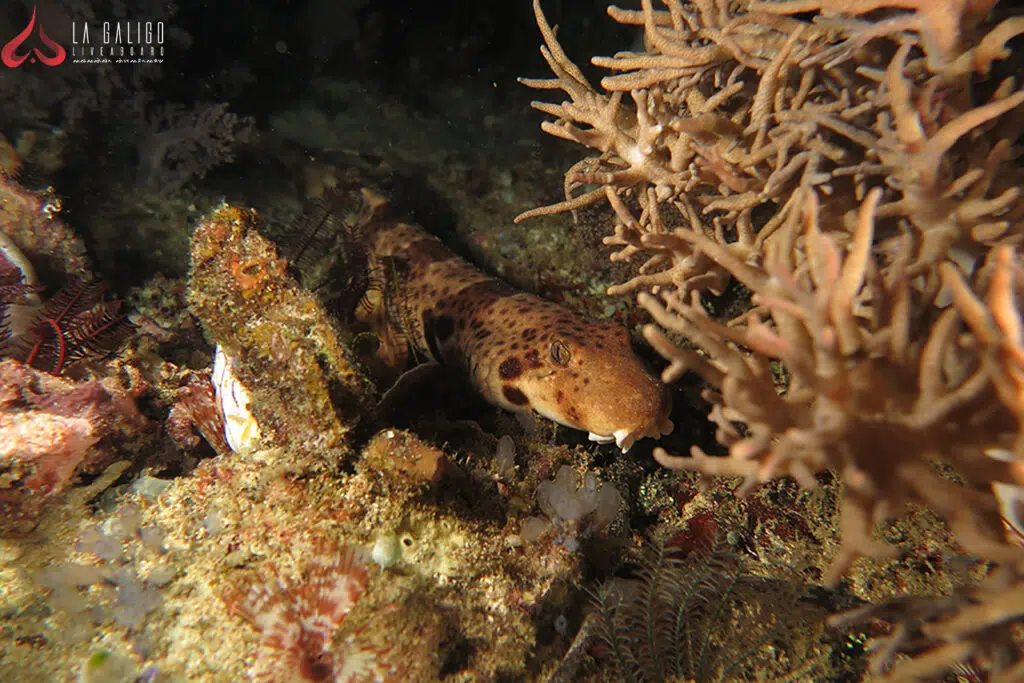
This site is known for its resident population of endemic Raja Ampat Tasselled Wobbegong Sharks that hide under the ledges and in crevasses in the coral and rocks.

Wobbegong Sharks Black Tips White Tips
Batu Lima

Batu Lima

Batu Lima, tucked away on the eastern side of Gam island in the northeastern parts of the Dampier Strait, is a diver's paradise noted for its enchanted night dives.

Macro Diversity
Eagle Rock

Eagle Rock

Eagle Rock, located off the southern coast of Kawe Island in Raja Ampat, offers divers an exhilarating dive experience among some of the richest marine biodiversity in the world.

Manta Rays Cleaning Station
Saonek Kecil

Saonek Kecil

This dive site is conveniently located just 5 minutes from Waisai, the capitol of Raja Ampat and the starting destination for all liveaboards. It's a small island, just 2 kilometres to the south of the main town.

Macro Diversity Pelagic Species
Tank Rock

Tank Rock

Tank Rock is a captivating dive site in Misool, Raja Ampat, eastern most of the small island chains extending from Fiabacet Island.

Dramatic Underwater Landscape
Andiamo

Andiamo

The site gets it's name from the liveaboard that Burt Jones went with during the early Raja Ampat exploration days.

Safety Stop
Boo West

Boo West

Boo West dive site does not get the recognition and fame of it's eastern cousin site and Boo Windows, but we think this is unfair as this is an amazing dive site.

Underwater Canyon
Boo Windows

Boo Windows

Boo Windows, a magnificent dive site in the middle of Raja Ampat, is famous for its remarkable underwater topography and incredible marine biodiversity.

Window Arch
Fiabacet

Fiabacet

Fiabacet epitomizes the Raja Ampat dive experience and is one of the premier dive sites in the Misool region.

Macro Diversity Pelagic Species
Four Kings

Four Kings

Four Kings is one of the most celebrated dive sites in Raja Ampat, offering a stunning underwater landscape that attracts divers from around the globe.

Panorama of Colors
Kaleidoscope

Kaleidoscope

Kaleidoscope Dive Site is nestled at the western tip of Pele Island in the southeast Misool region of Raja Ampat.

Macro Diversity Pelagic Species
Magic Mountain

Magic Mountain

Magic Mountain is one of those dive sites that goes by many names, also called Shadow Reef or Karang Bayangan.

Underwater Seamount
Neptunes Fan Sea

Neptunes Fan Sea

Neptunes Sea Fan dive site (Sometimes also called Neptunes Fantasea dive site) located in the narrow passage between Walib and Wayilbatan Islands, in the Missol region of Raja Ampat.

Marine Diversity
Nudi Rock

Nudi Rock

Nudi Rock got its name from the rock feature above the water that looks like a Nudibranch. This one-of-a-kind feature adds a fun touch to a dive that is already very beautiful.

Macro Diversity Pelagic Species
Anchovy

Anchovy

This site is often mistakenly called Anchovy or Anchovies, but the site was actually named Antichovie.

Massive Anchovies
Keruo Channel

Keruo Channel

Keruo Channel dive site (also sometimes called Fam Wall) is located on the east side of Keruo Island, Raja Ampat.

Drift Dive
Piaynemo Jetty

Piaynemo Jetty

Piaynemo Jetty is located on the eastern side of Penemu island, just before the entrance to the lagoon for trekking.

Night Dive Critters
Batu Rufus

Batu Rufus

Batu Rufus means Rufus Rock, the name coming from the large limestone formation that extends out to the fringing coral reef that forms the dive site.

Great Walls

Chicken Reef: Topography

Chicken Reef is characterized by large coral bommies, gorgonian fans, covering a submerged seamount. The topography is varied, with walls, sloping reefs, and deep channels. The reef is home to a dense array of soft corals, including table corals, feather corals, and black stag-horn corals, which provide shelter for an impressive number of fish species. The site is also dotted with anemones, creating a colourful and visually striking underwater landscape.

The maximum depth at Chicken Reef is approximately 30 meters (98 feet), making it suitable for divers of intermediate to advanced levels. 

The majority of the dive occurs at shallower depths, with most of the action happening between 10 to 20 meters (33 to 66 feet), allowing for an extended exploration of the vibrant coral gardens. 

Max depth:

Typical Current:

Topography:

Itineraries that visit Chicken Reef